


Pet Wounds, Bites, and Bleeding: What Owners Should Do First
When your pet gets hurt, your first steps are to stay calm, control any bleeding with gentle pressure, keep your pet from licking the area, and call your veterinarian. Many injuries that look minor on the surface, especially bites, are far more serious underneath than they appear. For dog and cat owners in Blairsville, PA, knowing what to do in those first few minutes can prevent infection and give your pet the best shot at a smooth recovery.
This Article Will Address
- When a wound needs professional attention
- How to control bleeding safely at home
- Why dog and cat bites are more dangerous than they look
- How small wounds turn into infections
- Whether to clean a wound before heading to the clinic
When Does a Pet Wound Need Veterinary Care?
Anything beyond a tiny surface scrape should be checked by a veterinarian, because wounds that look small on the outside can hide deep tissue damage. When in doubt, it is always safer to have your pet examined than to wait and hope. Wounds also tend to look their best right after they happen, before swelling, bruising, and infection set in, so a calm first look does not always tell the whole story.
- The wound is deep, gaping, or longer than about half an inch
- Bleeding does not stop after a few minutes of steady pressure
- The injury came from another animal’s bite
- You see dirt or debris you cannot gently rinse away
- The wound is near an eye, on the face, or over a joint
- Your pet is in pain, limping, or seems generally unwell
Prompt treatment closes wounds cleanly, lowers the risk of infection, and lets us catch damage below the skin before it becomes a bigger problem. Our illness and injury management team is set up to assess and treat these cases quickly. Timing matters here, because wounds that are cleaned and closed within the first several hours generally heal faster and with fewer complications than those left open for a day or more.
What Should I Do if My Pet Is Bleeding?
Apply firm, steady pressure directly over the wound with a clean cloth and hold it there without peeking. Lifting the cloth to check disturbs the clot that is trying to form and restarts the bleeding.
- Place a clean cloth or gauze over the wound and press firmly
- Hold steady pressure for at least three to five minutes without lifting to look
- If blood soaks through, add another layer on top instead of removing the first
- Raise the injured limb slightly if you can do so without causing pain
- Keep your pet calm and still, since movement and stress speed blood flow
Blood that spurts, pools quickly, or will not slow after several minutes of pressure is an emergency. Call ahead so our team is ready the moment you arrive. Remember that a hurting pet may bite out of fear, so handle the area carefully and use a soft muzzle or towel wrap if needed. Keep in mind that bleeding from a wound over the chest or belly, or blood coming from the mouth, nose, or rear, can signal an internal injury, and those situations always call for an immediate visit rather than home care.
Are Dog Bites or Cat Bites Emergencies?
Yes, bite wounds should be treated as urgent even when the opening looks tiny. A bite drives bacteria deep beneath the skin, and the small puncture on the surface often seals over within hours, trapping infection inside. Cat bites are especially prone to this and frequently develop into a painful abscess a few days later. Bite wounds can also reach muscle, joints, or the chest and belly, and a set of small punctures may hide surprisingly deep damage. Cats that have tangled with another animal are also worth testing for viruses that spread through bites, which is something we can discuss at the visit.
If your pet has been in a fight, call us right away rather than waiting for swelling or pus to appear. Early care, and sometimes minor soft-tissue surgery to clean and drain the wound, prevents the deeper infections that untreated bites can cause. If you know your pet is up to date on vaccines, mention it when you call, since a bite raises questions about rabies and other risks that we will want to review.
Can Small Wounds Become Infected?
Yes, and it can happen fast. A minor-looking wound can become infected within 24 to 48 hours, turning a simple fix into a drawn-out problem. Watch for redness, swelling, heat, discharge, a foul smell, or your pet fussing at the spot, and watch for whole-body signs like fever, low energy, or a poor appetite. An infection that reaches the bloodstream can make a pet seriously ill, so these warning signs are never worth ignoring.
Because infection often hides beneath the surface, a wound that seems to be healing can still be brewing trouble underneath. If anything looks or smells off, have your pet rechecked. Our full range of veterinary services includes the exams, cleaning, and medications that stop an infection before it spreads. In many cases a short course of antibiotics, along with keeping your pet from licking the area, is enough to turn things around when the problem is caught early.
Should I Clean a Wound Before Going to the Vet?
Light rinsing to remove loose dirt is helpful, but leave deep cleaning to your veterinary team. Gentle first aid is about making your pet comfortable for the trip, not fully treating the wound at home.
- Do gently rinse away visible dirt with cool water or sterile saline
- Do cover the wound loosely with a clean cloth for the ride over
- Do not use hydrogen peroxide, rubbing alcohol, or human ointments unless we direct you to
- Do not scrub the wound or dig at debris lodged deep inside
- Do not delay the visit just to clean the wound thoroughly at home
Proper wound cleaning, pain control, and closure are best handled by professionals, and some wounds need sedation to treat safely and comfortably. When a wound requires repair, our surgical team manages the process from start to finish so your pet heals correctly. We will also send you home with clear aftercare steps, from keeping the area clean and dry to using an e-collar so your pet cannot reopen the wound, which is often the hardest part of healing at home.
Bring Your Pet’s Wound to East Market Veterinary Center Today
A wound is never worth the wait-and-see gamble, and our team is here to help. East Market Veterinary Center is open and welcoming pets from across Blairsville, PA, and Dr. Ashley Deforno and our staff will clean, treat, and close your pet’s injury with a calm, gentle touch. Call 724-793-1779 to schedule a visit or to ask whether your pet needs to be seen today, and if the bleeding is severe, phone us on your way in. Learn more about East Market Veterinary Center any time.
Sources
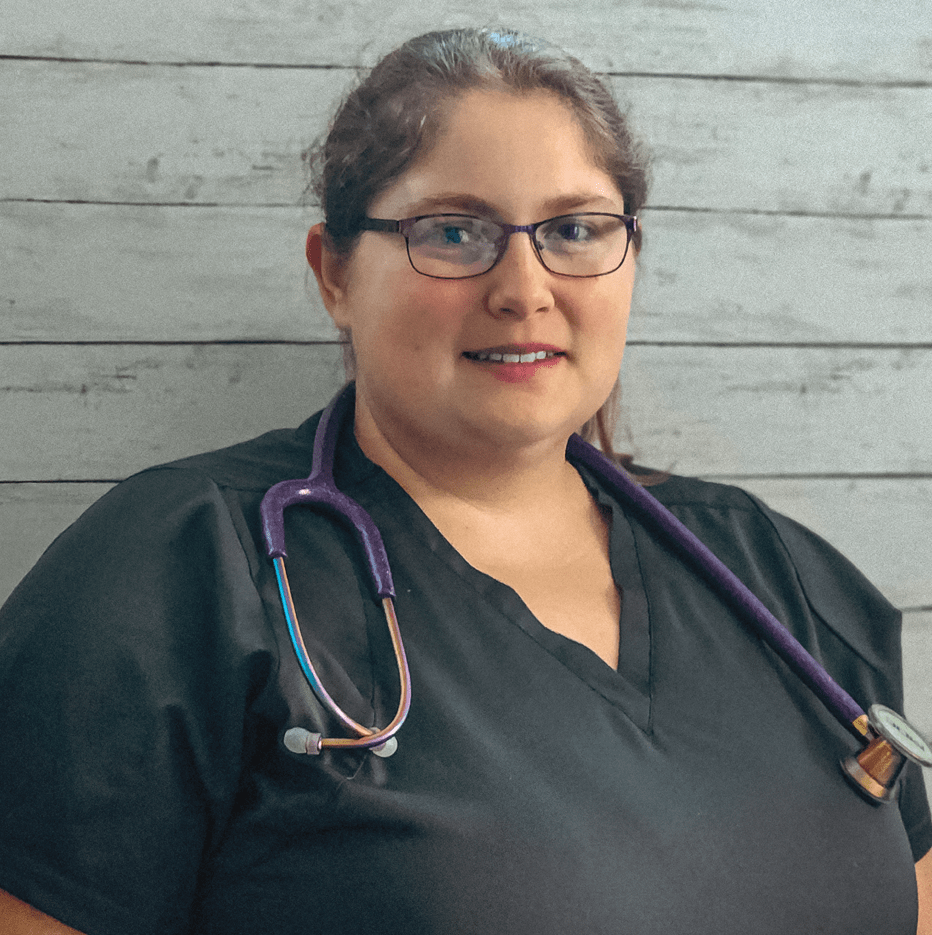
Meet Dr. Deforno
Dr. Ashley Deforno is a Blairsville native who discovered her love for animals at a young age, which led her to earn her degree from Penn State and her Doctor of Veterinary Medicine from Kansas State University in 2019. She is passionate about providing personalized care that strengthens the bond between pets and their families, and she brings a calm, compassionate presence to every visit. At East Market Veterinary Center, Dr. Deforno enjoys all areas of small animal medicine and focuses on creating a positive, comfortable experience for each patient she treats.

Ready to embark on a journey of
unparalleled care for your pet?
